Magical Japanese - Season 2 / Year 2022

Season 2 / Year 2022

Episodes
House
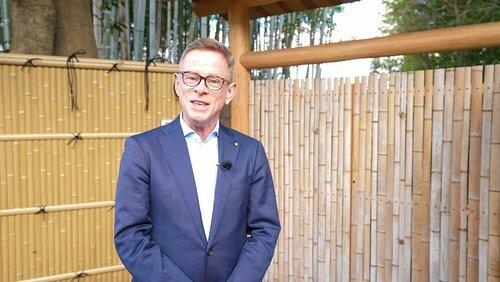
The Japanese language is rich in words and expressions influenced by nature, history and culture. This episode looks at words related to houses. Traditional Japanese homes give us a glimpse of the Japanese love for the changing seasons and how the Japanese developed a temperament that values cooperation. From his home in Kyoto, poet and literary translator Peter MacMillan guides us through these words and the culture behind them.
Mount Fuji
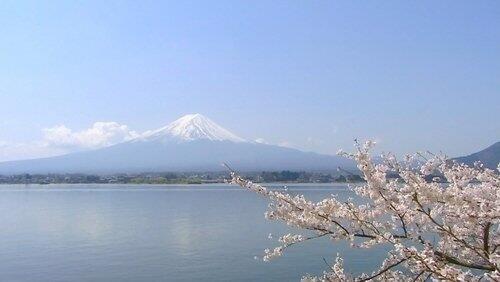
The Japanese language is rich in words and expressions influenced by nature, history and culture. This episode introduces words related to Mount Fuji. A UNESCO World Heritage site, this iconic symbol of the beauty and culture of Japan has inspired a number of memorable words and expressions. Join poet, literary translator and long-time Japan resident Peter MacMillan and explore unique words and the culture behind them.
Snow
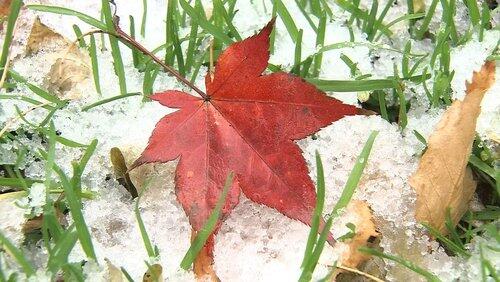
The Japanese language is rich in words and expressions influenced by nature, history and culture. This episode introduces words related to snow. Designated heavy snowfall areas cover fifty-one percent of Japan. In such an environment, many words related to snow were born. From his home in Kyoto Prefecture, poet and literary translator Peter MacMillan guides us through these words and the culture behind them.
Moon
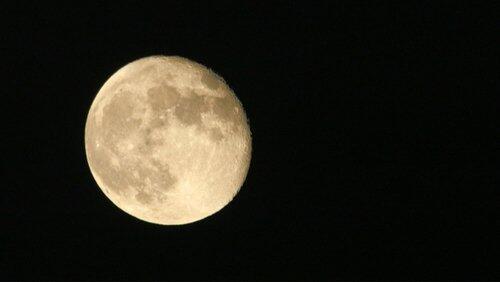
The Japanese language is rich in words and expressions influenced by nature, history and culture. This episode looks at words related to the moon. The Japanese have always been captivated by the moon, interpreting closely its many expressions and generating new words to describe its many faces. From his home in Kyoto Prefecture, poet and literary translator Peter MacMillan guides us through these words and the culture behind them.
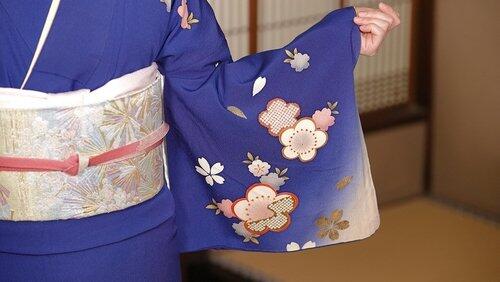
Kimono
The Japanese language is rich in words and expressions influenced by nature, history and culture. This episode introduces words related to the kimono. Once used as everyday wear, the traditional and iconic garment is now generally reserved for special occasions. From his home in Kyoto Prefecture, poet and literary translator Peter MacMillan guides us through these words and the culture behind them.
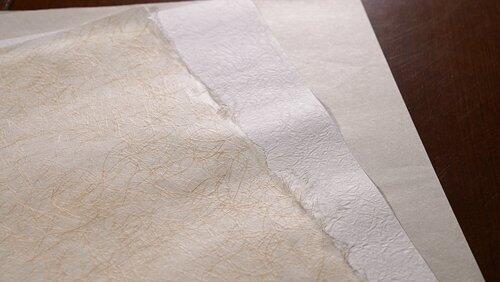
Washi
The Japanese language is rich in words and expressions influenced by nature, history and culture. This episode looks at words and phrases related to washi, or traditional Japanese paper. Refined and durable, washi continues to be used as a daily item in Japan and has many applications. From his home in Kyoto Prefecture, poet and literary translator Peter MacMillan guides us through these words and the culture behind them.
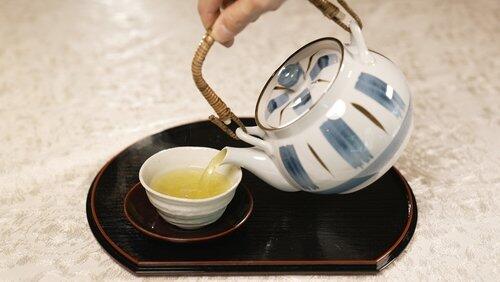
Tea
The Japanese language is rich in words and expressions influenced by nature, history and culture. This episode looks at words related to tea. An integral part of Japan's food culture, it's celebrated in the tea ceremony and has inspired a uniquely Japanese aesthetic. From his home in Kyoto Prefecture, poet and literary translator Peter MacMillan guides us through these words and the culture behind them.
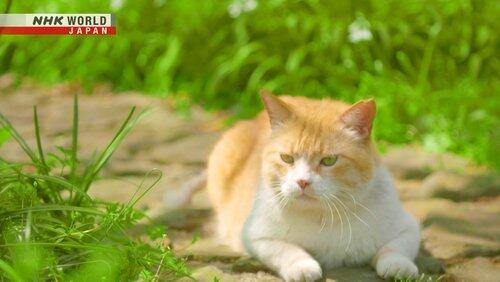
Cat
The Japanese language is rich in words and expressions influenced by nature, history and culture. This episode looks at words and phrases related to cats. Cats have been treasured in Japan for a long time as a way to deal with mice. This long history is reflected in the many expressions related to cats in Japanese. From his home in Kyoto Prefecture, poet and literary translator Peter MacMillan guides us through these words and the culture behind them.

Oni
The Japanese language is rich in words and expressions influenced by nature, history and culture. This episode explores words and phrases inspired by Oni: demons, ogres and evil spirits that are a fixture of Japanese folklore. From his home in Kyoto Prefecture, poet and literary translator Peter MacMillan guides us through these words and the culture behind them.

Ship
The Japanese language is rich in words and expressions influenced by nature, history and culture. This episode focuses on ships and boats. Japan is an island nation, and ships have been an integral part of Japanese life. This is reflected in the many expressions related to ships and boats. From his home in Kyoto Prefecture, poet and literary translator Peter MacMillan guides us through these words and the culture behind them.
Fish
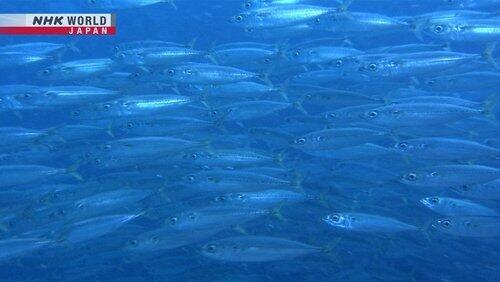
The Japanese language is rich in words and expressions influenced by nature, history and culture. This episode looks at words related to fish. Surrounded by the sea, Japan is home to rich fishing grounds. Fish has long had a central role in Japan's culinary culture, and there are many unique expressions that feature fish. From his home in Kyoto Prefecture, poet and literary translator Peter MacMillan guides us through these words and the culture behind them.

Red
The Japanese language is rich in words and expressions influenced by nature, history and culture. This episode looks at words related to the color red. Red is deeply embedded in Japanese culture. Not only are there said to be over 100 different names for red in the Japanese language, but the color is also used to describe nonvisual concepts. From his home in Kyoto Prefecture, poet and literary translator Peter MacMillan guides us through these words and the culture behind them.
Fire
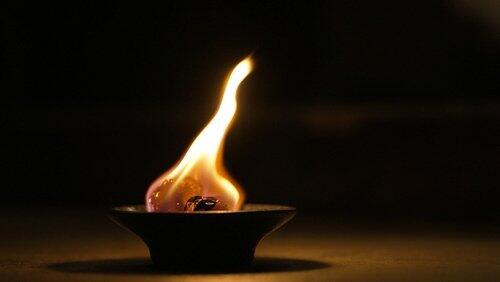
The Japanese language is rich in words and expressions influenced by nature, history and culture. This episode looks at words related to fire. Fire has both practical and spiritual significance in cultures around the world, and Japan is no exception. This gave birth to many unique expressions. From his home in Kyoto Prefecture, poet and literary translator Peter MacMillan guides us through these words and the culture behind them.

Horse
The Japanese language is rich in words and expressions influenced by nature, history and culture. This episode looks at words related to horses. Since arriving from the Asian mainland around the 5th century, horses have played a major role in transportation and farming in Japan. The Japanese considered their horses as a part of their family. From his home in Kyoto Prefecture, poet and literary translator Peter MacMillan guides us through words involving horses and the culture behind them.
Wind
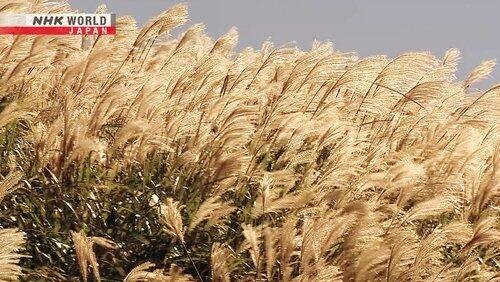
The Japanese language is rich in words and expressions influenced by nature, history and culture. This episode looks at words related to wind. Due to its geographical location, Japan experiences different types of wind depending on the season. If you include regional words for wind, there are said to be over 1,000 different names for the wind in Japanese, and people have had a rich relationship with wind. From his home in Kyoto Prefecture, poet and literary translator Peter MacMillan guides us through words that were born from this culture.
Sword
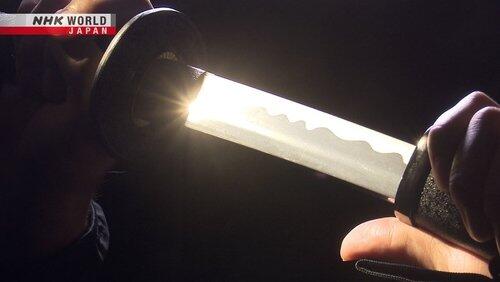
The Japanese language is rich in words and expressions influenced by nature, history and culture. This episode looks at words related to swords. Since ancient times, the evolution of Japanese swords has followed a unique path. During the rule of the samurai, or bushi, swords were a part of daily life, and this resulted in many Japanese expressions related to swords. From his home in Kyoto Prefecture, poet and literary translator Peter MacMillan guides us through these words.
Recently Updated Shows

NCIS
NCIS (Naval Criminal Investigative Service) is more than just an action drama. With liberal doses of humor, it's a show that focuses on the sometimes complex and always amusing dynamics of a team forced to work together in high-stress situations. Leroy Jethro Gibbs, a former Marine gunnery sergeant, whose skills as an investigator are unmatched, leads this troupe of colorful personalities. Rounding out the team are Anthony DiNozzo, an ex-homicide detective whose instincts in the field are unparalleled and whose quick wit and humorous take on life make him a team favorite; the youthful and energetic forensic specialist Abby Sciuto, a talented scientist whose sharp mind matches her Goth style and eclectic tastes; Caitlin Todd, an ex-Secret Service Agent; and Timothy McGee, an MIT graduate whose brilliance with computers far overshadows his insecurities in the field; Assisting the team is medical examiner Dr. Donald "Ducky" Mallard, who knows it all because he's seen it all, and he's not afraid to let you know. From murder and espionage to terrorism and stolen submarines, these special agents travel the globe to investigate all crimes with Navy or Marine Corps ties.

Landman
Set in the proverbial boomtowns of West Texas, Landman is a modern day tale of fortune seeking in the world of oil rigs. The series is an upstairs/downstairs story of roughnecks and wildcat billionaires fueling a boom so big, it's reshaping our climate, our economy and our geopolitics.

The Creep Tapes
Based on a collection of videotapes in the secret vault of the world's deadliest and most socially uncomfortable serial killer, who hires his victims to film him for the day under false pretenses, each episode exposes a new victim from one of the fabled 'Creep Tapes'.

America's Funniest Home Videos
ABC's longest-running primetime entertainment show, America's Funniest Home Videos, returns for season 36 this fall with the same mission -- giving families something genuinely funny to enjoy together on Sunday nights.
"AFV," the longest-running primetime entertainment show in ABC history, returns for season 36 with the same mission - to provide viewers with hysterical moments that fly by at a dizzying pace.

The Real Housewives of Potomac
Just up the river from our nation's capital lies a hidden gem—Potomac, Maryland. Its rolling hills, gated mansions, sophisticated prep schools, and exclusive country clubs all serve to keep the area invitation-only. Sprinkled throughout this community are a handful of old-line, wealthy African-American families who have historically broken racial barriers to provide a life of privilege for their children. The Real Housewives of Potomac follows the upscale lives of six intriguing, well-to-do women: Gizelle Bryant, Katie Rost, Karen Huger, Charrisse Jackson-Jordan, Robyn Dixon, and Ashley Darby, all of whom have fought for their places in this society by way of legacy or marriage. In a town where entry is granted only through class, pedigree, and lineage, how far will these ladies go to secure their spot at the top of this prestigious circle?